

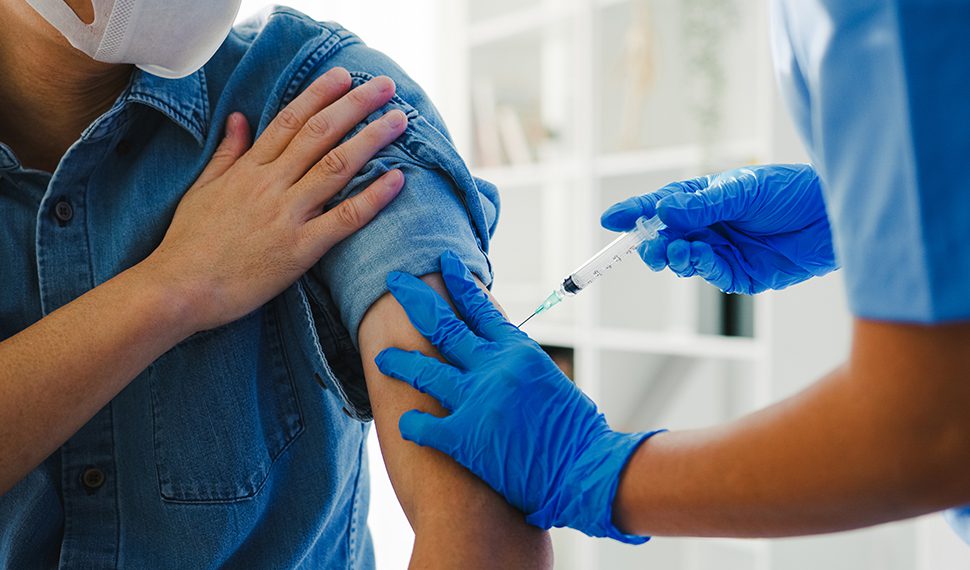
As international travel continues to increase, more UK travellers are visiting destinations where rabies remains a real and potentially life-threatening risk. While many people focus on passports, flights and accommodation, travel health is often overlooked until the final stages of planning. In the case of rabies, leaving vaccination too late can create unnecessary risk.
Rabies is a viral infection that affects the brain and nervous system. Once symptoms begin to develop, the disease is almost always fatal. Although rabies is not present in the UK’s domestic animal population, it remains widespread in many parts of the world and continues to cause tens of thousands of deaths globally every year.
Travel health specialists have long advised that travellers heading to certain regions should consider vaccination well in advance of departure.
Where Rabies Is Still a Risk
Rabies is most commonly transmitted through the bite or scratch of an infected animal. Dogs are responsible for the majority of human cases worldwide, but the virus can also be carried by monkeys, bats, cats and other mammals
Travellers often encounter animals in everyday situations while abroad, including:
- visiting temples or tourist attractions where monkeys roam freely
- trekking or travelling through rural areas
- volunteering with animals
- encountering stray dogs in towns and villages
- staying in locations where medical facilities are limited
Many exposures occur when travellers try to feed or interact with animals. Even minor scratches can be enough to transmit the virus if saliva from an infected animal enters broken skin.
One of the challenges with rabies is that symptoms may take weeks or months to appear after exposure. Once they develop, the disease progresses rapidly and is almost always fatal.
Why Pre-Travel Vaccination Is Important
Rabies vaccination before travel provides important protection for those visiting high-risk areas. While vaccination does not remove the need for medical care after a bite or scratch, it significantly simplifies the treatment required.
Without prior vaccination, someone exposed to rabies may require rabies immunoglobulin as part of emergency treatment. In many parts of the world this medication is extremely difficult to access, particularly outside major cities.
Travellers who have already received the rabies vaccine require a much simpler course of follow-up treatment, which is more widely available internationally.
For people travelling to remote areas, spending extended periods abroad, or working with animals, vaccination is often strongly recommended.
Who Should Consider the Rabies Vaccine?
Rabies vaccination is commonly recommended for travellers who are:
- visiting countries where rabies is widespread
- spending time in rural or remote areas
- backpacking or travelling long-term
- working or volunteering with animals
- travelling to destinations where access to medical care may be limited
Families travelling with children should also be aware that children are more likely to interact with animals and may not report small scratches or bites.
A travel health consultation helps determine whether vaccination is appropriate based on destination, planned activities and length of stay.
Current Vaccine Supply Challenges
In recent months there have been reports of limited availability of certain travel vaccines across parts of the UK, including rabies vaccination in some settings. Supply pressures can occur from time to time due to global manufacturing demand and distribution factors.
Specialist travel clinics monitor vaccine availability closely to ensure patients can access recommended protection before travelling.
At Regent Street Clinic, rabies vaccination continues to be available across its network of clinics, allowing travellers to access the vaccine as part of a full travel health consultation.
Planning Ahead Before You Travel
Travel medicine is most effective when planned early. Ideally, travellers should seek advice several weeks before departure to allow time for vaccination schedules and personalised travel health advice.
During a consultation, clinicians can review:
- destination-specific risks
- planned activities and travel itinerary
- recommended vaccinations and preventative measures
- guidance on what to do if an animal exposure occurs abroad
This tailored approach helps ensure travellers are properly prepared and protected before their journey begins.
A Preventable Risk
Rabies remains one of the world’s most serious infectious diseases, yet it is also one of the most preventable when appropriate precautions are taken. Awareness of the risks, avoiding contact with unfamiliar animals and receiving vaccination where recommended can dramatically reduce the chances of a serious exposure.
For travellers heading to destinations where rabies is present, seeking professional travel health advice before departure is an important step in ensuring a safe and healthy trip.


